GB
GB Germany
 France
 Spain
Spain Italy
Italy Netherlands
 Norway
 Sweden
 Denmark
 Finland
 Portugal
Iron-rich foods: the best sources of iron, with amounts
Which foods are high in iron, how much is in a portion, haem vs non-haem iron, how vegetarians and vegans can get enough – and why spinach is overrated.

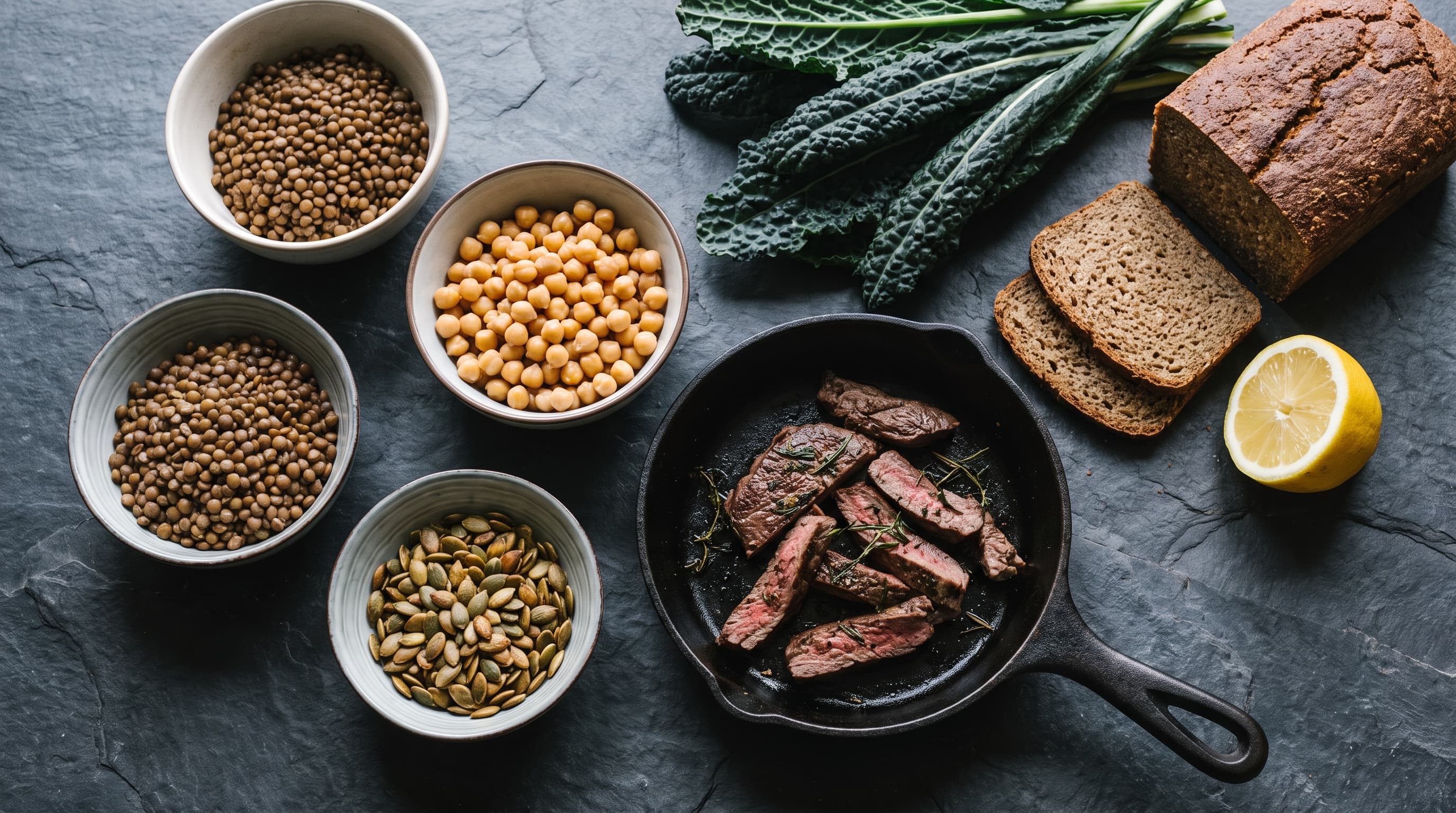
The richest sources of iron are liver, red meat and fortified breakfast cereals, followed by beans and lentils, tofu, pumpkin seeds, nuts, dried fruit, wholemeal bread and dark green vegetables such as kale. Iron from meat and fish is absorbed more easily than iron from plants, so pairing plant foods with vitamin C and keeping tea and coffee away from meals helps.
Which foods are highest in iron?
Iron is found in a wide range of foods, but the amount in a normal portion varies a lot. These figures are approximate and rounded – check labels for fortified foods, which differ by brand.
| Food | Portion | Iron (approx.) |
|---|---|---|
| Lamb’s liver, fried | 100 g | 7.7 mg |
| Fortified breakfast cereal | 30 g bowl | 3–4 mg |
| Sardines, canned in tomato sauce | 100 g | 2.7 mg |
| Beef mince, cooked | 100 g | 2.5–3 mg |
| Pumpkin seeds | 25 g handful | 2.5 mg |
| Eggs, boiled | 2 large | about 2 mg |
| Red kidney beans, canned | 80 g (3 tbsp) | 1.8 mg |
| Lentils, boiled | 80 g (3 tbsp) | 1.7 mg |
| Wholemeal bread | 2 slices | 1.5–2 mg |
| Cashew nuts | 25 g handful | 1.5 mg |
| Chickpeas, canned | 80 g (3 tbsp) | 1.5 mg |
| Tofu | 100 g | 1–3.5 mg (steamed vs fried) |
| Spinach, boiled | 80 g | 1.3 mg |
| Curly kale, boiled | 80 g | 0.9 mg |
| Dried apricots | 30 g (3–4 apricots) | 0.4–1.2 mg (semi-dried vs fully dried) |
| Chicken breast, cooked | 100 g | 0.5 mg |
What is the difference between haem and non-haem iron?
Food contains iron in two forms:
- Haem iron is found in meat, liver, fish and black pudding. It is absorbed relatively easily and isn’t much affected by what else you eat.
- Non-haem iron is found in plant foods – pulses, wholegrains, nuts, seeds, dried fruit, green vegetables – as well as eggs and fortified foods. It makes up most of the iron in the UK diet, and how much you absorb depends a lot on the rest of your meal.
Red meat is a convenient source of haem iron, but the NHS advises anyone who eats more than 90 g of red and processed meat a day to cut down to 70 g. Fish, lean poultry and plant sources can make up the difference.
How can vegetarians and vegans get enough iron?
A well-planned vegetarian or vegan diet can provide enough iron, but it takes a little more thought because it relies on non-haem iron. The NHS suggests pulses, wholemeal bread and flour, fortified breakfast cereals, dark green leafy vegetables, nuts and dried fruit. A few habits make a real difference:
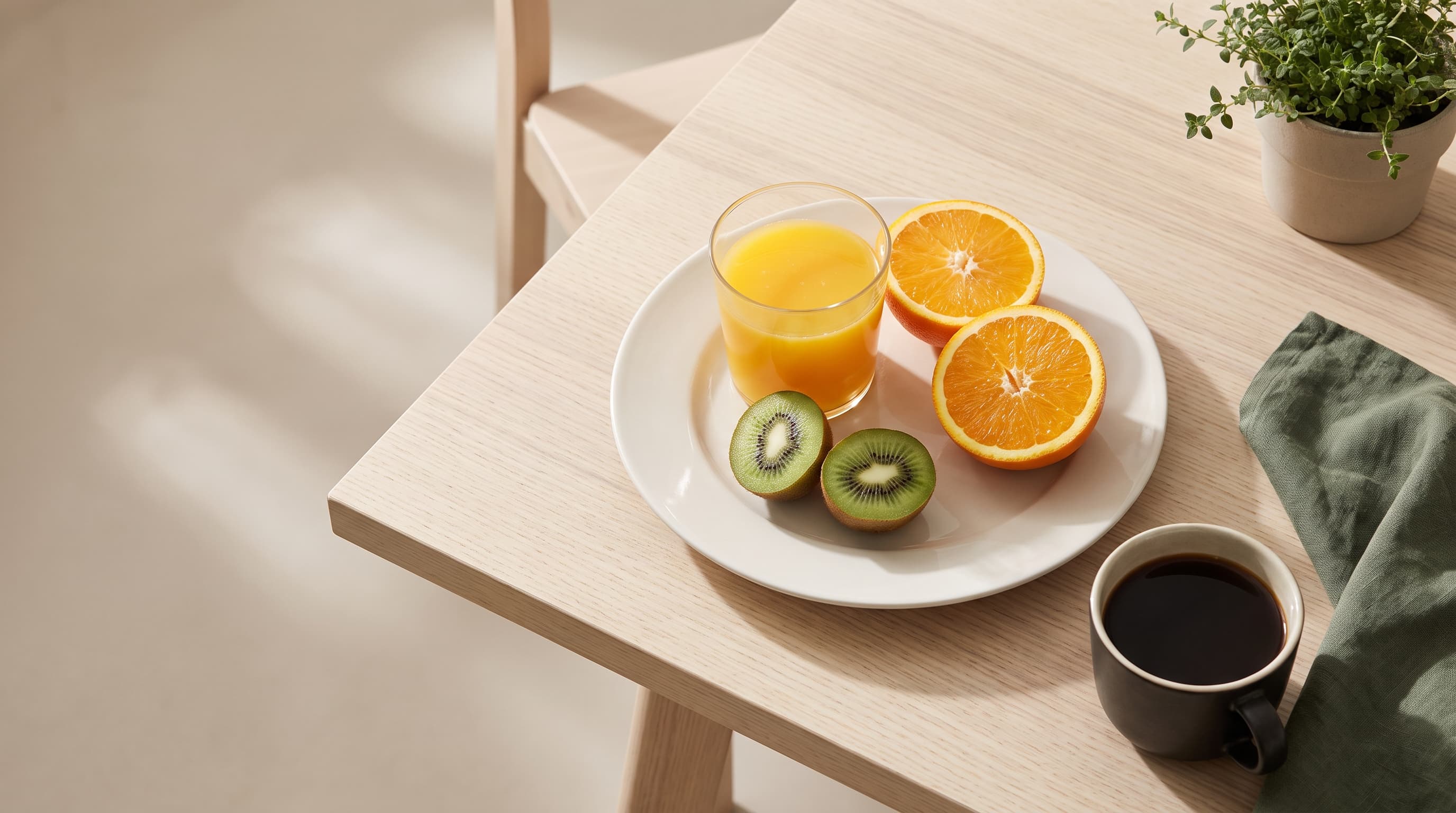
- Add vitamin C to every meal – peppers in a lentil curry, tomatoes with beans, a kiwi or orange after porridge, or a glass of orange juice with breakfast.
- Drink tea and coffee between meals, not with them.
- Use fortified foods – many breakfast cereals and some breads have iron added.
- Soak, sprout or ferment – soaking beans and grains, and choosing sourdough bread, can reduce the phytates that hold on to iron.
- Snack on seeds, nuts and dried fruit rather than relying on one big source.
Is spinach really high in iron?
Not especially. Boiled spinach has a similar amount of iron to other dark green vegetables such as spring greens, and it’s rich in oxalates, which bind to iron and make much of it hard to absorb. Its reputation as an iron powerhouse is overstated.
Spinach is still a healthy food, but for iron you’ll get more from a portion of lentils, beans or pumpkin seeds – ideally eaten alongside something rich in vitamin C.
What drink is very high in iron?
Very few drinks contain much iron naturally. Prune juice provides a small amount, and some fortified malt drinks and plant-based milks have iron added – check the label. Cocoa powder is relatively rich in iron, but a mug of hot chocolate contains only a little.
The more useful drink is orange juice with a meal: its vitamin C helps your body absorb non-haem iron from the food. Tea and coffee do the opposite, so keep them for between meals.
Are 2 eggs enough iron for the day?
No. Two large eggs contain about 2 mg of iron – a useful contribution, but roughly a seventh of the 14.8 mg a woman aged 19 to 49 needs. Eggs are best thought of as one part of an iron-rich day. See How much iron per day? for a full day’s example.
What boosts iron immediately?
Nothing raises your iron levels immediately. Food and diet changes build up your iron stores gradually, over weeks and months. What you can change straight away is how much iron you absorb from each meal – by adding vitamin C and moving tea, coffee and dairy away from iron-rich meals.
If you think you might be low in iron, don’t try to fix it with food alone: see your GP for a blood test, as the cause needs to be found. More in Iron deficiency symptoms.
Frequently asked questions
What foods are highest in iron?
Liver, red meat and fortified breakfast cereals are among the richest sources. Beans, lentils, tofu, pumpkin seeds, nuts, dried fruit, wholemeal bread and dark green vegetables also provide useful amounts.
What drink is very high in iron?
Few drinks contain much iron naturally. Some fortified plant milks and malt drinks have iron added. Orange juice with a meal is more useful, because its vitamin C helps you absorb iron from the food.
Are 2 eggs enough iron?
No. Two large eggs provide about 2 mg of iron – around a seventh of what a woman aged 19 to 49 needs each day.
What boosts iron immediately?
Nothing raises iron levels straight away; stores build up over weeks. Adding vitamin C to meals and keeping tea and coffee away from them helps you absorb more iron from food.
Which fruit is high in iron?
Dried fruit such as apricots, prunes, raisins and figs contains the most. Fresh fruit is low in iron, but fruits rich in vitamin C, such as oranges, kiwis and strawberries, help you absorb iron from other foods.