GB
GB Germany
 France
 Spain
Spain Italy
Italy Netherlands
 Norway
 Sweden
 Denmark
 Finland
 Portugal
Magnesium for sleep: what does the research say?
Can magnesium help you sleep? An honest look at the research on magnesium, glycinate and sleep – what has been shown, what hasn’t, and what helps instead.

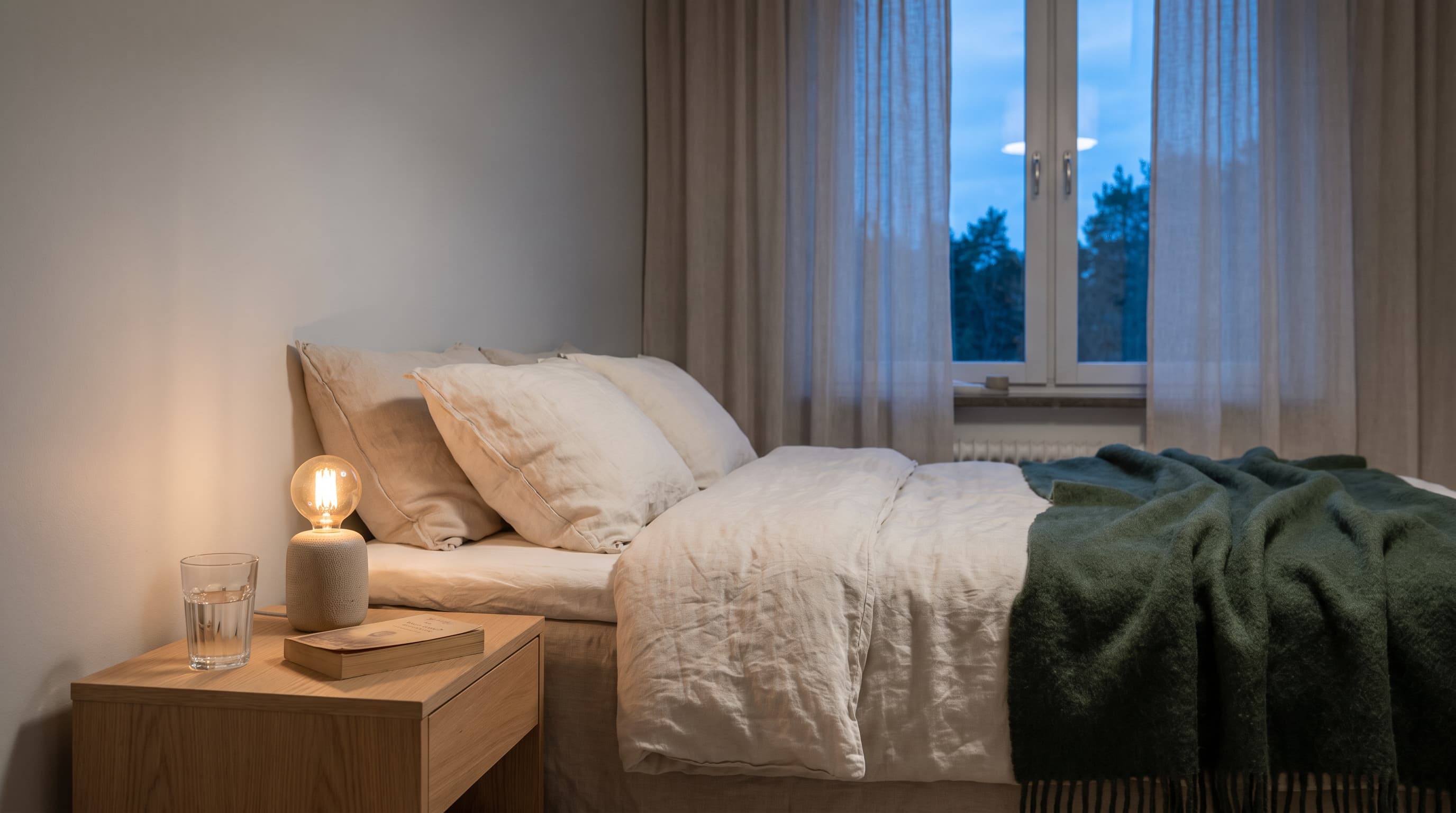
The research on magnesium and sleep is limited. A review of three small trials in older adults with insomnia found they fell asleep on average about 17 minutes faster with magnesium than with a placebo, but the evidence was rated low quality. There is no authorised health claim in the UK that magnesium improves sleep.
Does magnesium help you sleep?
Magnesium is needed for your nervous system and muscles to work normally, which is why it’s so often linked with sleep and relaxation – and why it has become one of the most talked-about supplements on social media. But a mineral being important for the body doesn’t mean a supplement will improve your sleep, particularly if you already get enough from food.
There is no authorised health claim for magnesium and sleep on the Great Britain nutrition and health claims register. In other words, the evidence so far hasn’t been strong enough to show that effect.
What do the studies on magnesium and sleep show?
The most widely quoted review, published in 2021 in BMC Complementary Medicine and Therapies, pooled three randomised controlled trials involving 151 older adults with insomnia. It found:
- People given magnesium fell asleep on average about 17 minutes faster than those given a placebo.
- Total sleep time went up by around 16 minutes, but that difference wasn’t statistically reliable.
- The researchers rated the overall quality of the evidence as low to very low, and all three trials were at moderate to high risk of bias.
Their conclusion was that the evidence isn’t good enough for doctors to make well-informed recommendations. The trials were also in older adults, so it’s not clear the results apply to younger, healthy people.
Is magnesium glycinate best for sleep?
Glycinate is the form most often sold for bedtime. One argument is that glycine, the amino acid the magnesium is bound to, has been studied for sleep. Those studies used around 3 g of glycine, though – far more than a typical magnesium supplement contains.
No studies show that glycinate improves sleep more than other forms of magnesium. Its real advantages are that it’s well absorbed and usually gentle on the stomach. Read more in Magnesium glycinate: what it is, what it’s good for and when to take it.
Does it matter how much magnesium you already get?
A supplement is meant to top up a low intake. If you already get plenty of magnesium from your diet, there’s little reason to expect a supplement to make a noticeable difference.
Magnesium contributes to normal functioning of the nervous system, normal psychological function and a reduction of tiredness and fatigue. Those are the effects that are scientifically established and authorised.
Should I take magnesium before bed?
You can take magnesium whenever suits you. Many people take it in the evening as part of their routine, but there’s no evidence that the timing changes the effect. What matters is taking it regularly and not going over the recommended dose. More on timing in When is the best time to take magnesium?
What actually helps you sleep better?
The best-supported advice is about habits rather than supplements. For insomnia, the NHS suggests:
- Waking up and getting out of bed at the same time every day.
- Relaxing for at least an hour before bed – a bath or a book rather than a screen.
- Keeping your bedroom dark and quiet, with curtains, blinds, an eye mask or earplugs if needed.
- Exercising regularly during the day.
- Cutting back on caffeine, alcohol and nicotine, especially later in the day.
Frequently asked questions
How much magnesium should I take for sleep?
There’s no established dose for sleep, because that effect hasn’t been shown. For magnesium from supplements, the European upper level for adults is 250 mg a day; the NHS says 400 mg or less a day is unlikely to cause harm.
How long before bed should I take magnesium?
There’s no evidence that any particular time gives a better result. Take it when it fits your routine – with food if you have a sensitive stomach.
Can I take magnesium and melatonin together?
In the UK, melatonin is a prescription-only medicine. If you’ve been prescribed it, or take any other medicine, ask your pharmacist or GP before combining it with a supplement.
Can magnesium help with restless legs?
There’s no authorised claim for that and the evidence is mixed. The NHS says restless legs can be linked to iron deficiency anaemia, pregnancy, kidney disease and some medicines, so it’s worth seeing your GP rather than self-treating.
Do magnesium sprays, flakes or Epsom salt baths help sleep?
A warm bath can be a relaxing part of winding down, but there’s little good evidence that meaningful amounts of magnesium are absorbed through the skin, or that it improves sleep.