GB
GB Germany
 France
 Spain
Spain Italy
Italy Netherlands
 Norway
 Sweden
 Denmark
 Finland
 Portugal
When is the best time to take magnesium? Morning, night or with food
Does it matter what time of day you take magnesium? How to take it – with or without food, morning or night – and what to know if you take other medicines.

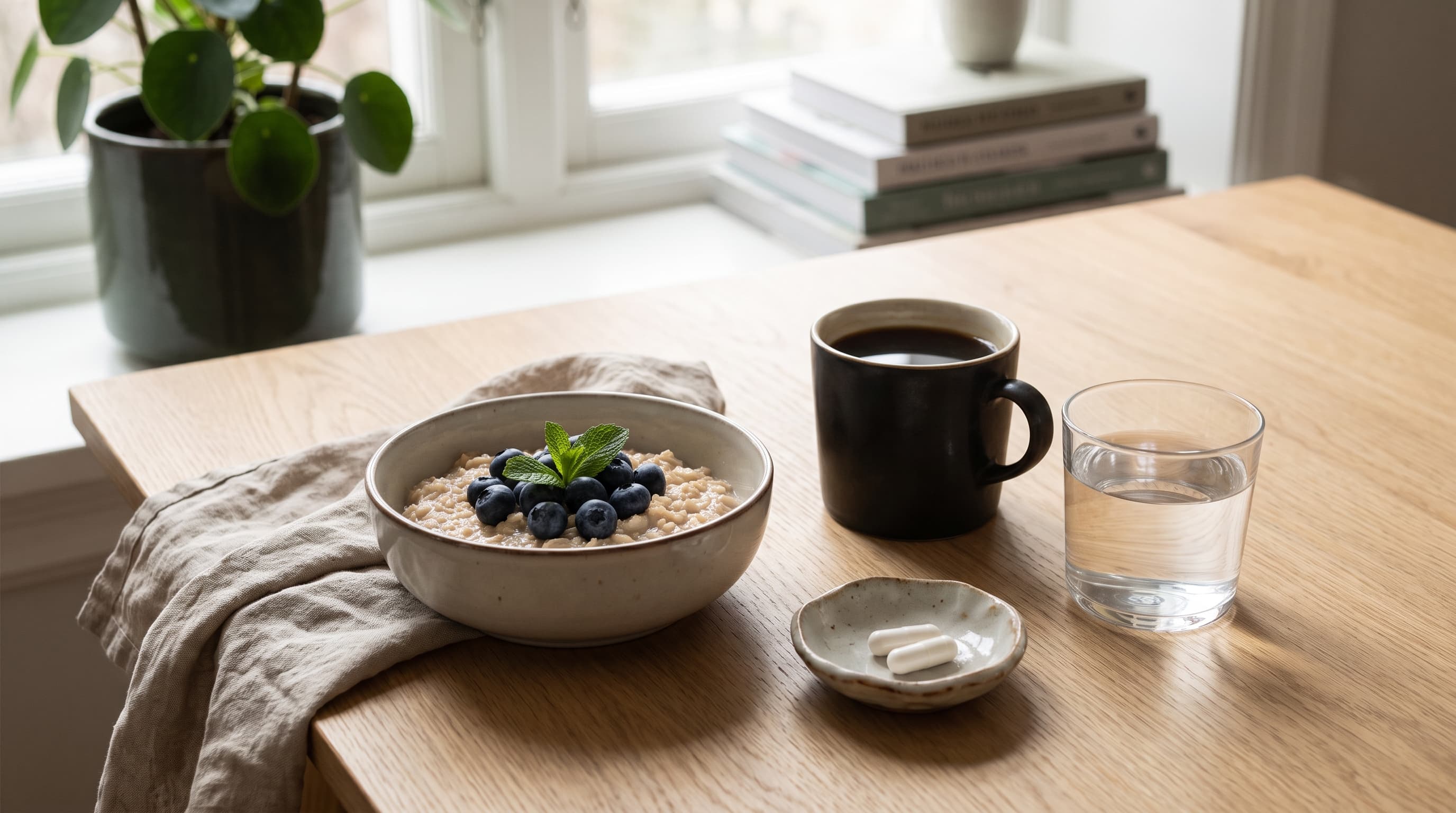
There’s no time of day that has been shown to be best for taking magnesium. Take it when it fits your routine – what matters is taking it regularly. If you have a sensitive stomach, take it with a meal and consider splitting the dose. If you take certain medicines, such as some antibiotics or levothyroxine, you may need to leave a gap of a few hours.
Does it matter what time of day you take magnesium?
Not for absorption, as far as the research shows. Your body uses magnesium constantly and keeps a store of it in your bones and muscles, so what counts is your total intake over time – not the hour you take a supplement.
That means the best time is the one you’ll remember. Tie it to something you already do every day, such as breakfast or brushing your teeth at night.
Should I take magnesium in the morning or at night?
Either is fine. Lots of people take magnesium in the evening, and glycinate is often marketed as a night-time form. But there’s no evidence that taking it at night improves sleep – read more in Magnesium for sleep: what does the research say?
If you take other supplements or medicines in the morning, it can be easier to take magnesium in the evening so they don’t clash.
Should magnesium be taken with or without food?
You can take magnesium with or without food. If you have a sensitive stomach, it’s usually gentler with a meal. Stomach upsets are also less likely if you split your daily dose – for example one capsule in the morning and one in the evening.
What should you not mix with magnesium?
Magnesium can bind to some medicines in the gut so less of them is absorbed. Leave a gap between them – often at least two hours, sometimes longer. This applies to:
- some antibiotics – tetracyclines such as doxycycline, and quinolones such as ciprofloxacin
- bisphosphonates for osteoporosis, such as alendronic acid
- levothyroxine for an underactive thyroid
If you take medicines regularly, ask your pharmacist how to space them with a magnesium supplement – they can check against your own prescriptions. The patient information leaflet in the box is also worth a read.
Can you take magnesium with other vitamins and minerals?
Yes. Magnesium is often combined with zinc, calcium, vitamin D and vitamin B6. Very high doses of one mineral can affect how well another is absorbed, but at the recommended doses that isn’t a problem. Magnesium and vitamin B6 both contribute to a reduction of tiredness and fatigue.
How long should you take magnesium for?
Magnesium is meant to be taken every day as part of a routine, not as a one-off. Healthy adults can take it long term at the recommended dose. See more on doses in How much magnesium do you need per day?
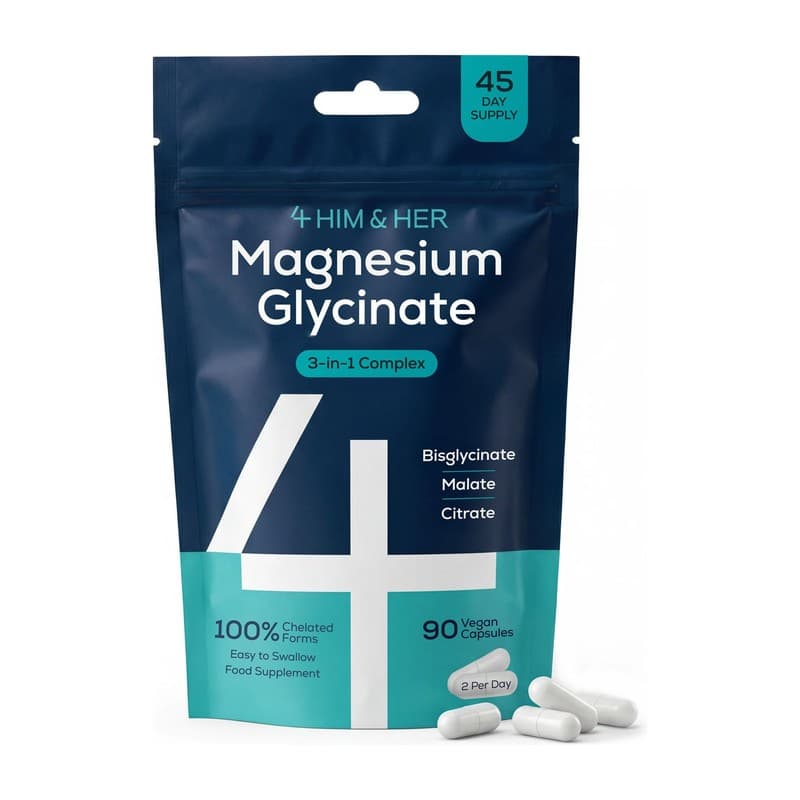
Our magnesium is taken as two capsules a day with water, with or without food, at whatever time suits you.
Frequently asked questions
Can I take magnesium on an empty stomach?
Yes, but some people find it more likely to upset their stomach that way. If that’s you, take it with a meal instead.
Can you take vitamin D and magnesium together?
Yes, you can take them at the same time. In the UK, the NHS advises everyone to consider a daily 10 microgram vitamin D supplement in autumn and winter.
Can you take magnesium and iron together?
You can, but high doses of minerals can compete for absorption. If you take an iron supplement, it’s sensible to take them at different times of day – ask your pharmacist if you’re unsure.
Does coffee or tea affect magnesium?
There’s no good evidence that normal amounts of coffee or tea affect your magnesium levels. Coffee and tea contain only a little magnesium themselves.
Is there a best time to take magnesium for weight loss?
No. There’s no evidence that magnesium helps with weight loss, whenever you take it, and there’s no authorised health claim for it.