GB
GB Germany
 France
 Spain
Spain Italy
Italy Netherlands
 Norway
 Sweden
 Denmark
 Finland
 Portugal
How to get thicker hair: what you can and can’t change
How thick your hair is depends mostly on genes and hormones. What you can change – damage, styling, diet, stress – and when thinning means seeing a GP.

How thick your hair is – the number of hairs and the width of each strand – is mostly set by your genes and hormones. You can’t change those with shampoo or diet, but you can stop avoidable breakage, style for volume, eat enough protein and iron, and see a GP if thinning is new, sudden or patchy.
What decides how thick your hair is?
“Thick hair” means two different things, and both are largely inherited:
- Density – how many hairs grow on your scalp. You are born with all the hair follicles you will ever have.
- Strand thickness – how wide each individual hair is. Fine, medium and coarse hair are mostly genetic, and vary with ethnicity.
Hormones then shape how that plays out over time. In people prone to pattern hair loss, follicles gradually shrink and produce finer, shorter hairs – which is why hair can look thinner with age, after the menopause or with conditions such as polycystic ovary syndrome. No shampoo, oil or food can change your genes, so the honest goal is to keep the hair you have in good condition and to rule out anything treatable.
Can thin hair become thick again?
It depends on why it thinned. If the cause is temporary – shedding after an illness, a stressful event, childbirth, a crash diet or iron deficiency – hair usually grows back once the trigger has passed or been treated, although it can take six months or more to look fuller again.
If hair has thinned because of pattern hair loss, it tends to progress slowly over years. Medical treatments can slow it down and in some people partly reverse it, but only while you keep using them. That’s a conversation for a GP, pharmacist or dermatologist.
How can I make my hair thicker naturally?
You can’t add follicles, but you can stop losing length and volume to breakage, and make the hair you have look fuller:
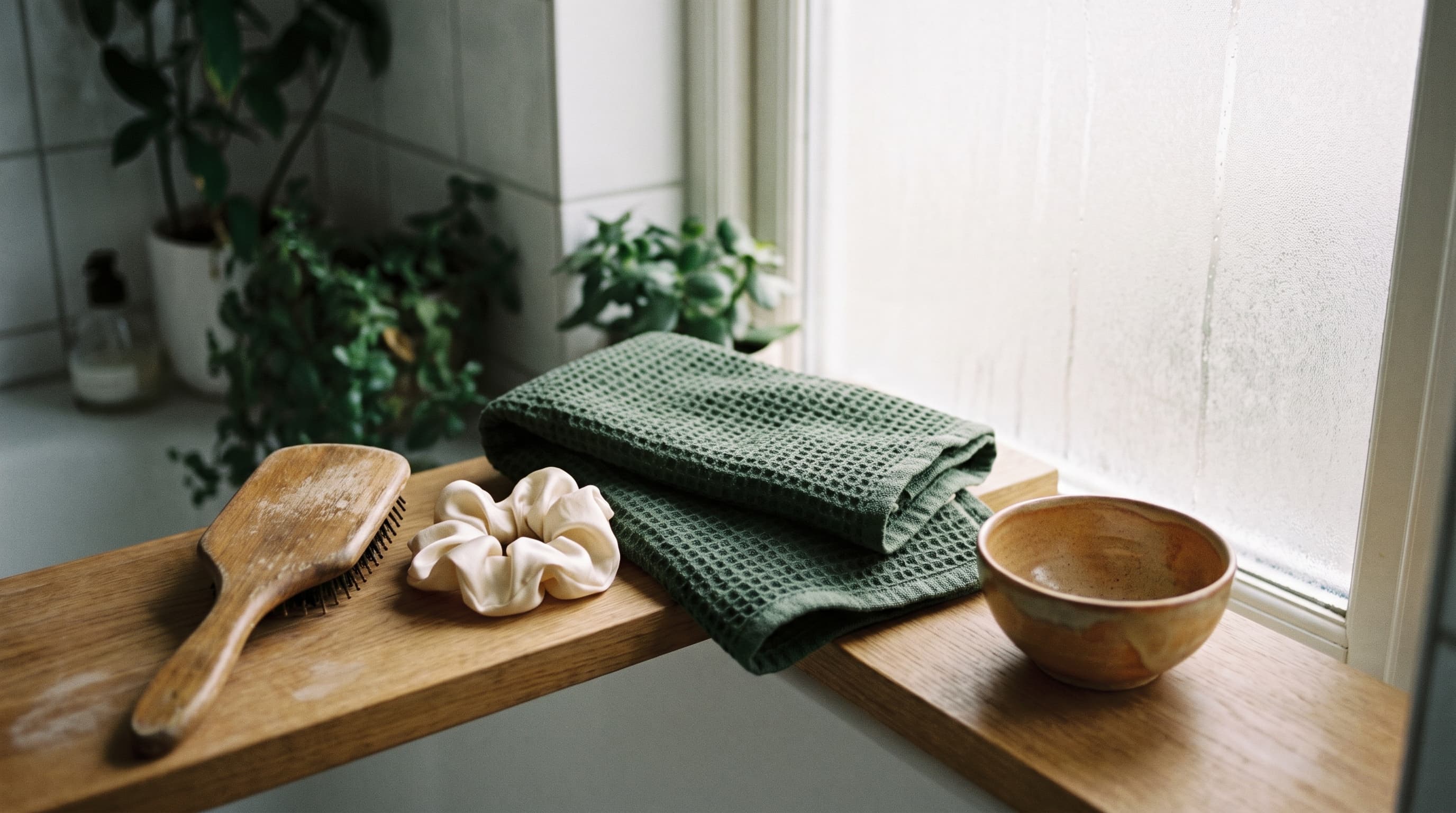
- Be gentle when it’s wet. Wet hair stretches and snaps more easily. Blot with a towel rather than rubbing, and use a wide-tooth comb.
- Turn the heat down. Straighteners, curling tongs and very hot hairdryers damage the hair’s outer layer. Use a lower setting and a heat protectant, and give your hair days off.
- Go easy on chemical treatments. Bleaching, perms and relaxers weaken the hair shaft, especially when repeated or overlapped.
- Loosen tight styles. Tight ponytails, buns, braids and extensions pull on the follicles. Over time this can cause traction alopecia – hair loss that can become permanent.
- Keep the scalp healthy. Treat dandruff or an itchy, flaky scalp, which can make you scratch and break hairs.
- Get regular trims. Cutting doesn’t make hair grow faster, but removing split ends stops them travelling up the shaft and makes the ends look fuller.
How can you make hair look thicker?
Styling won’t change your hair, but it can change how much of it you appear to have:
- A blunt cut or a shorter length often looks fuller than long, layered hair, which can look thin at the ends.
- Lightweight volumising products, dry shampoo at the roots and blow-drying upside down add lift.
- Moving your parting or changing hair colour slightly can disguise a widening parting.
- Heavy conditioners and oils can weigh fine hair down – use them on the ends rather than the roots.
What foods make your hair thicker?
No food makes hair thicker than your genes allow. What diet can do is make sure your follicles aren’t short of anything – and a real deficiency can cause shedding. The basics:
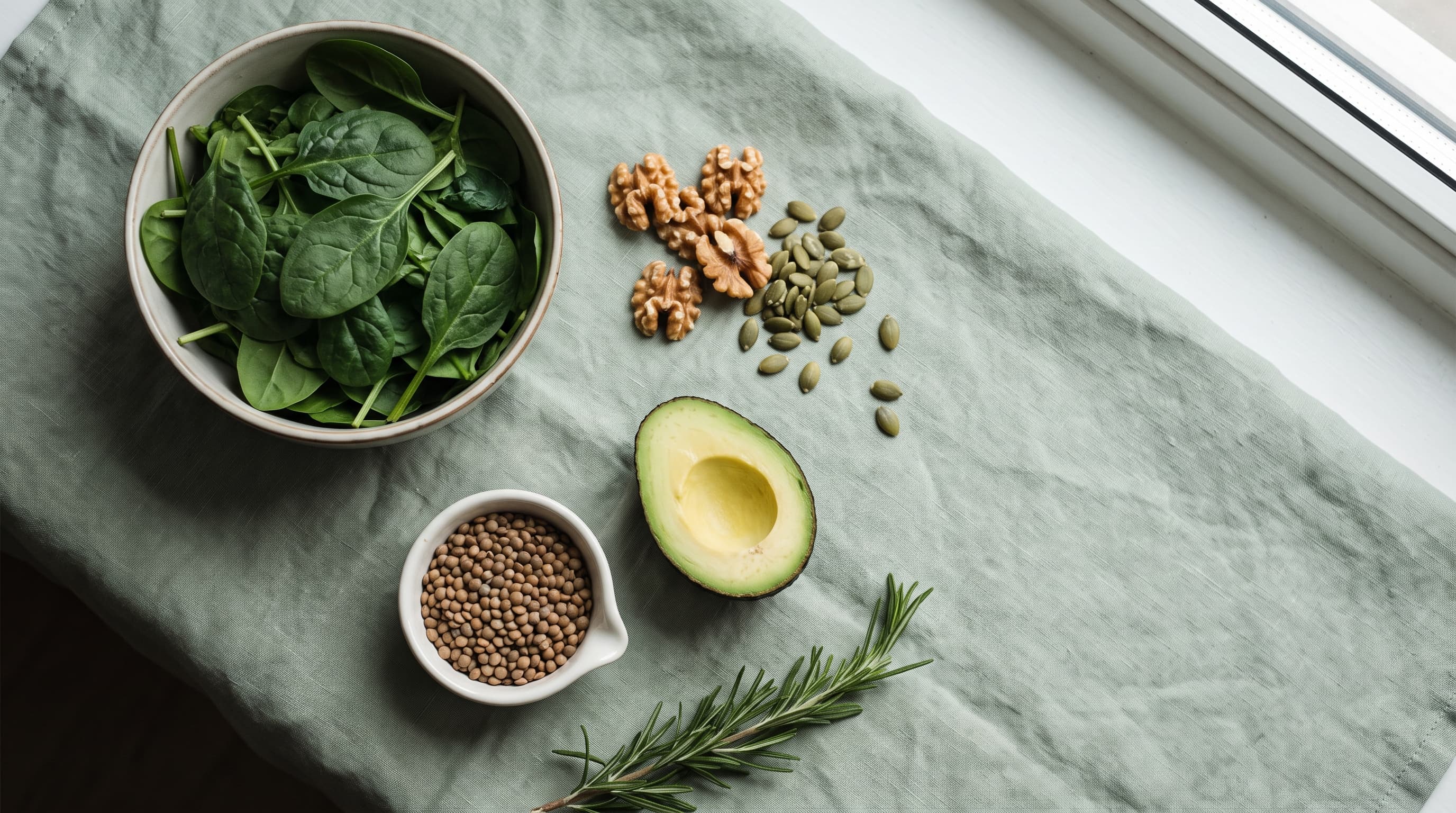
- Enough protein – hair is made of protein. Meat, fish, eggs, dairy, pulses, tofu and nuts all count.
- Iron – red meat, pulses, dark green vegetables and fortified cereals. Iron deficiency is a recognised cause of temporary hair loss, especially in women with heavy periods.
- A varied diet overall – rather than relying on a single “superfood”.
- No crash diets – rapid weight loss is a common trigger for shedding a few months later.
Which nutrients have a recognised role in normal hair, and which deficiencies a GP may test for, is covered in Vitamins for hair.
Does stress or lack of sleep make hair thinner?
A major physical or emotional shock – a serious illness, surgery, bereavement, a very stressful period – can push many hairs into the resting phase at once. About three months later, they shed together. This is called telogen effluvium. It looks alarming, but it usually settles on its own within about six months, and the hair grows back.
Everyday stress and the odd bad night’s sleep aren’t known to thin hair directly, but looking after sleep, stress and general health supports the rest of your body – your scalp included.
When should thinning hair be checked by a doctor?
See your GP if:
- you are suddenly losing a lot more hair than usual, or it comes out in clumps
- you have bald patches, or a scalp that is red, sore, scaly or scarred
- your parting is widening or your scalp is becoming more visible
- you also feel tired, cold, breathless or have heavy periods – which can point to thyroid problems or iron deficiency
- it started after having a baby, stopping or starting a medicine, or the menopause, and you are worried
Medical treatments such as minoxidil may help some types of hair loss, but they aren’t right for everyone and only work while used. Ask a GP or pharmacist before starting one. For more on causes and tests, see Hair loss in women.
Frequently asked questions
How can I make my hair thicker naturally?
You can’t change the number of follicles you have, but you can prevent breakage: handle wet hair gently, use less heat and bleach, avoid tight styles, keep your scalp healthy and trim split ends. Eating enough protein and iron also matters.
Can thin hair become thick again?
If thinning is temporary – after illness, stress, childbirth, dieting or iron deficiency – hair usually regrows once the cause is dealt with, though it can take six months or more. Pattern hair loss tends to progress and needs medical advice.
What foods make your hair thicker?
No food can make hair thicker than your genes allow. A varied diet with enough protein and iron helps make sure a deficiency isn’t causing shedding.
Does biotin make hair thicker?
There is no good evidence that biotin makes hair thicker in people who aren’t deficient, and no authorised claim says it does. Biotin deficiency is rare on a normal diet.