GB
GB Germany
 France
 Spain
Spain Italy
Italy Netherlands
 Norway
 Sweden
 Denmark
 Finland
 Portugal
Supplements for fatigue: which vitamins help with tiredness?
Which vitamins and minerals carry the authorised claim for tiredness and fatigue, what that really means, and the causes of tiredness to check with your GP first.


Nine nutrients have an authorised claim to contribute to the reduction of tiredness and fatigue: vitamins B2, B3, B5, B6, B12, folate and C, plus iron and magnesium. That means they matter for normal energy, not that a supplement will lift tiredness if you already get enough. Ongoing tiredness has many causes, so see your GP if it lasts for weeks.
Why am I tired all the time?
Feeling tired all the time is very common, and the cause is often sleep, lifestyle or stress rather than a missing vitamin. According to the NHS, common causes include:
- not getting enough sleep, or finding it hard to get to sleep
- an unhealthy lifestyle, such as a poor diet and not much exercise
- stress, depression and life challenges, such as bereavement or looking after a new baby
- hormonal changes, such as during puberty, pregnancy or the menopause
- some illnesses, such as glandular fever and COVID-19
- some medical treatments and medicines
Which causes of tiredness need a doctor?
Some medical conditions cause tiredness and need to be diagnosed properly, usually with a blood test or other checks. They include:
- iron deficiency anaemia – especially common in women with heavy periods and in pregnancy;
- vitamin B12 or folate deficiency anaemia;
- thyroid problems – an underactive or overactive thyroid;
- sleep apnoea – where breathing stops and starts during sleep, often with loud snoring;
- diabetes;
- depression;
- ME/CFS (chronic fatigue syndrome).
What can you do about tiredness before trying supplements?
The NHS suggests a few simple steps that make a real difference for many people:
- go to bed and get up at the same times each day, and avoid screens in the hour before bed;
- eat regular meals and healthy snacks every 3 to 4 hours, rather than a large meal less often;
- be active – it sounds counter-intuitive, but regular exercise tends to reduce tiredness;
- cut down on caffeine, especially in the evening, and on alcohol;
- deal with stress where you can – see Symptoms of stress.
What vitamins help with tiredness?
In Great Britain, a supplement can only say a nutrient helps with tiredness if that claim is on the official nutrition and health claims register. Nine nutrients carry the authorised claim that they contribute to the reduction of tiredness and fatigue:
| Nutrient | Adult daily need (UK) | Good food sources |
|---|---|---|
| Riboflavin (vitamin B2) | 1.3 mg men, 1.1 mg women | Milk, eggs, fortified cereals, mushrooms |
| Niacin (vitamin B3) | 16.5 mg men, 13.2 mg women | Meat, fish, wheat flour, eggs |
| Pantothenic acid (vitamin B5) | No UK amount set (NRV 6 mg) | Chicken, beef, eggs, mushrooms, avocado |
| Vitamin B6 | 1.4 mg men, 1.2 mg women | Poultry, fish, peanuts, oats, bananas |
| Vitamin B12 | 1.5 µg | Meat, fish, milk, cheese, eggs |
| Folate | 200 µg | Green vegetables, chickpeas, fortified cereals |
| Vitamin C | 40 mg | Citrus fruit, peppers, broccoli, potatoes |
| Iron | 8.7 mg men; 14.8 mg women aged 19–49 | Red meat, beans, nuts, dried fruit, fortified cereals |
| Magnesium | 300 mg men, 270 mg women | Spinach, nuts, wholemeal bread |
Daily amounts are from the NHS, mostly for adults aged 19 to 64 (iron: women aged 50 and over need 8.7 mg). A product may only make the claim if a daily dose provides at least 15% of the nutrient reference value (NRV).
What does a tiredness claim actually mean?
It means the nutrient plays a recognised part in the body’s normal energy processes, and that not getting enough can contribute to tiredness. It does not mean that taking more than you need will give you extra energy, or that a supplement will fix tiredness with another cause – such as poor sleep, stress or a medical condition.
Supplements make most sense when your diet may be falling short – for example if you eat little meat or dairy (B12 and iron), have a restricted diet, or have been advised to by a health professional.
Does vitamin B help with tiredness?
Six B vitamins – B2, B3, B5, B6, B12 and folate – contribute to the reduction of tiredness and fatigue. Most people in the UK get enough from a varied diet. Those more likely to fall short of B12 include vegans, older adults and people with certain stomach conditions or on some medicines, such as metformin. A GP can check your B12 and folate levels with a blood test.
If you take a B-complex alongside other supplements, add up the vitamin B6: the NHS advises no more than 10 mg a day from supplements unless a doctor recommends more. More in Vitamin B6: what it does, how much you need and safe limits.
Does magnesium help with fatigue?
Magnesium contributes to a reduction of tiredness and fatigue, to normal psychological function and to normal functioning of the nervous system. The NHS says you should be able to get all the magnesium you need from a varied and balanced diet, and advises no more than 400 mg a day from supplements. Read more in Magnesium deficiency symptoms.
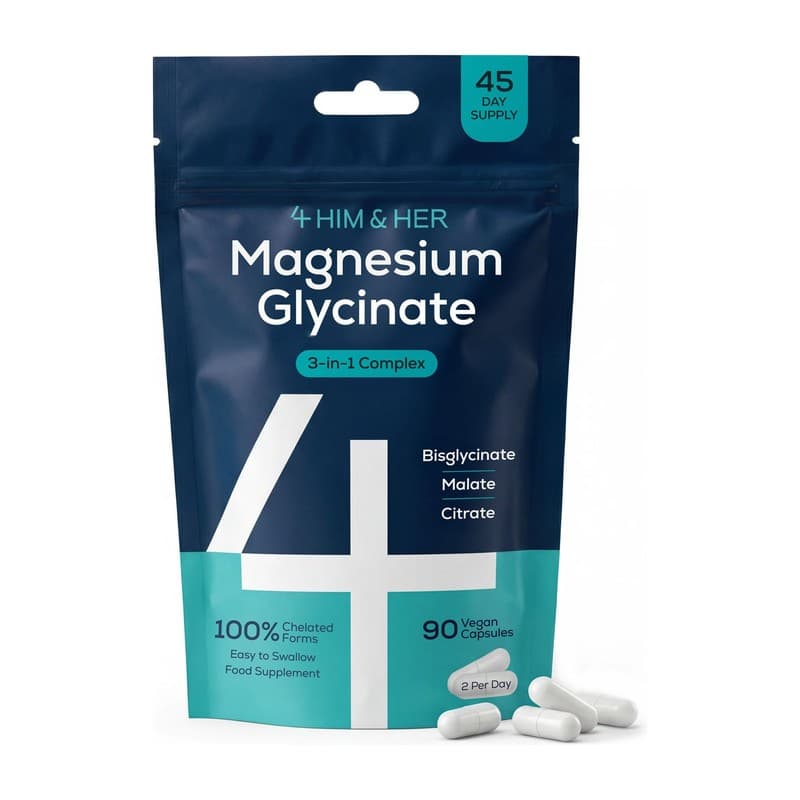
Our magnesium provides 250 mg of magnesium (67% NRV) from bisglycinate, citrate and malate, with 5 mg of vitamin B6 (357% NRV), in a daily dose of two vegan capsules. Magnesium and vitamin B6 contribute to the reduction of tiredness and fatigue.
Does ashwagandha help with tiredness?
Ashwagandha has no authorised claim for tiredness or energy – or for anything else. Small studies have looked at stress and sleep scores, but nothing has been proven well enough to be authorised. See What is ashwagandha? for what the research does and doesn’t show.
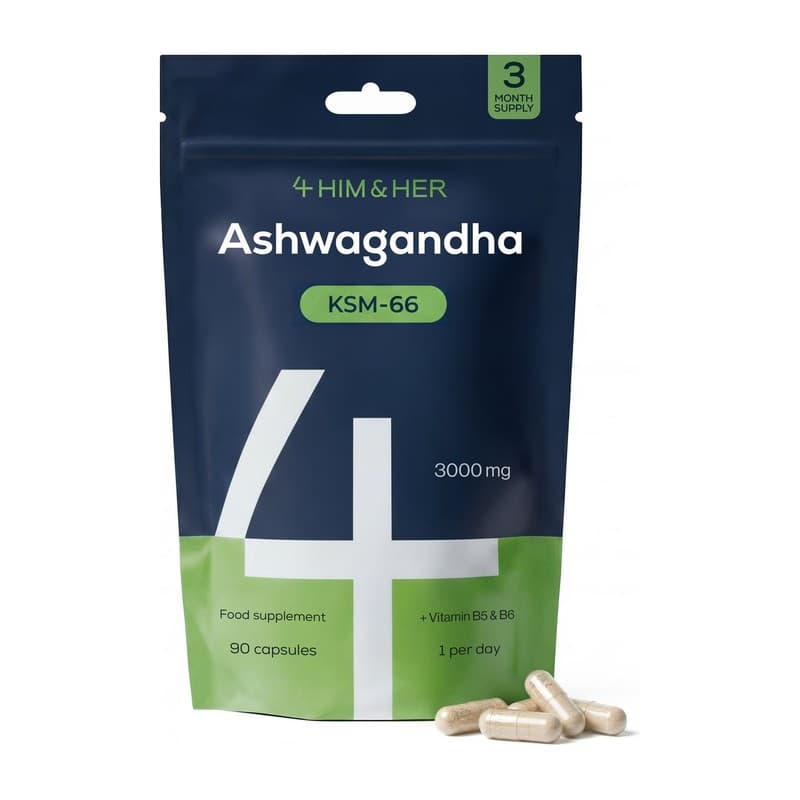
Our ashwagandha capsule contains KSM-66® root extract together with 6 mg of pantothenic acid (100% NRV) and 2 mg of vitamin B6 (143% NRV). It is those two vitamins that contribute to the reduction of tiredness and fatigue – pantothenic acid also contributes to normal mental performance, and vitamin B6 to normal psychological function.
Frequently asked questions
What is the best supplement for tiredness?
There’s no single best one. If a blood test shows you’re low in iron, B12 or folate, the right supplement is the one your GP recommends. Otherwise, sleep, diet and activity usually make more difference than any supplement.
Does vitamin D help with tiredness?
Vitamin D has no authorised claim for tiredness. The NHS advises everyone in the UK to consider 10 micrograms a day in autumn and winter for bone and muscle health.
How long do vitamins take to help with tiredness?
If you were genuinely deficient and start treatment, many people notice a difference within weeks, but it depends on the cause. If you’re not deficient, a supplement may make no noticeable difference.
Can taking too many vitamins make you tired?
Some can cause side effects at high doses – too much iron can cause stomach problems, and too much vitamin B6 over a long time can damage nerves. Stick to label doses and check for overlaps between products.