GB
GB Germany
 France
 Spain
Spain Italy
Italy Netherlands
 Norway
 Sweden
 Denmark
 Finland
 Portugal
How much magnesium do you need per day – and can you have too much?
Adults in the UK need 300 mg of magnesium a day (men) or 270 mg (women). How much you need by age, how much to take as a supplement and what happens if you take too much.


In the UK, men need about 300 mg of magnesium a day and women about 270 mg, according to the NHS, and most people can get this from a varied diet. For supplements, the NHS says 400 mg or less a day is unlikely to cause harm, while the European upper level is 250 mg a day. Too much from supplements mainly causes diarrhoea.
How much magnesium do you need per day?
The NHS says adults need 300 mg of magnesium a day for men and 270 mg a day for women. These are the UK’s reference nutrient intakes – the amount that is enough for almost everyone in a group – and they stay the same for older adults. The UK figures don’t go up in pregnancy, though breastfeeding women need a little more.
| Age | Boys and men | Girls and women |
|---|---|---|
| 1–3 years | 85 mg | 85 mg |
| 4–6 years | 120 mg | 120 mg |
| 7–10 years | 200 mg | 200 mg |
| 11–14 years | 280 mg | 280 mg |
| 15–18 years | 300 mg | 300 mg |
| 19 years and over | 300 mg | 270 mg |
Do you get enough magnesium from food?
Most adults do, but not everyone. The NHS says you should be able to get all the magnesium you need from a varied and balanced diet. Even so, the National Diet and Nutrition Survey (2016 to 2019) found around 1 in 9 adults have intakes below the lower reference nutrient intake – a level that is likely to be too low for most people – and teenagers fare worse: about a third of boys and nearly half of girls aged 11 to 18. The British Nutrition Foundation points out that the UK magnesium figures date from 1991 and were based on limited data, so how much these low intakes matter for health is uncertain.
Magnesium is found in nuts, seeds, wholemeal bread, wholegrain cereals, beans, lentils and green leafy vegetables. See how much is in everyday foods in Magnesium-rich foods.
How much magnesium should I take as a supplement?
There are two figures you’ll come across:
- NHS: having 400 mg or less a day of magnesium from supplements is unlikely to cause any harm.
- European Food Safety Authority (EFSA): a tolerable upper level of 250 mg a day of magnesium from supplements and fortified foods for adults and children from 4 years.
Both limits are based on the same problem – diarrhoea at higher doses – and neither counts the magnesium in ordinary food. We follow the stricter 250 mg figure, so a daily dose of our magnesium never goes above it.
What happens if you take too much magnesium?
The most common sign of too much magnesium from supplements is loose stools or diarrhoea, sometimes with nausea and stomach cramps. The NHS says taking more than 400 mg for a short time can cause diarrhoea. It settles once you cut the dose down.
Serious magnesium toxicity is very rare in healthy people, because the kidneys clear the excess. It’s mainly a risk if your kidneys aren’t working well, or with very large doses such as magnesium-based laxatives or indigestion remedies. Symptoms can include nausea, low blood pressure, muscle weakness and an irregular heartbeat – get medical help urgently if this happens.
The NHS also notes there isn’t enough evidence to say what the effects of taking high doses for a long time might be – another reason not to go over the limit.
Is it safe to take magnesium every day?
Yes, for healthy adults at the recommended dose. Magnesium is needed every day, and a supplement is meant to be taken daily as part of a routine. If you have kidney disease, a heart condition or take medicines regularly, check with your GP or pharmacist first.
How much magnesium do you need if you exercise a lot?
The UK recommendations are the same whether or not you train. People who exercise a lot usually eat more food overall, so they tend to get more magnesium too. The supplement limit applies however much you train. Magnesium contributes to normal muscle function and electrolyte balance.
How much magnesium is in a supplement?
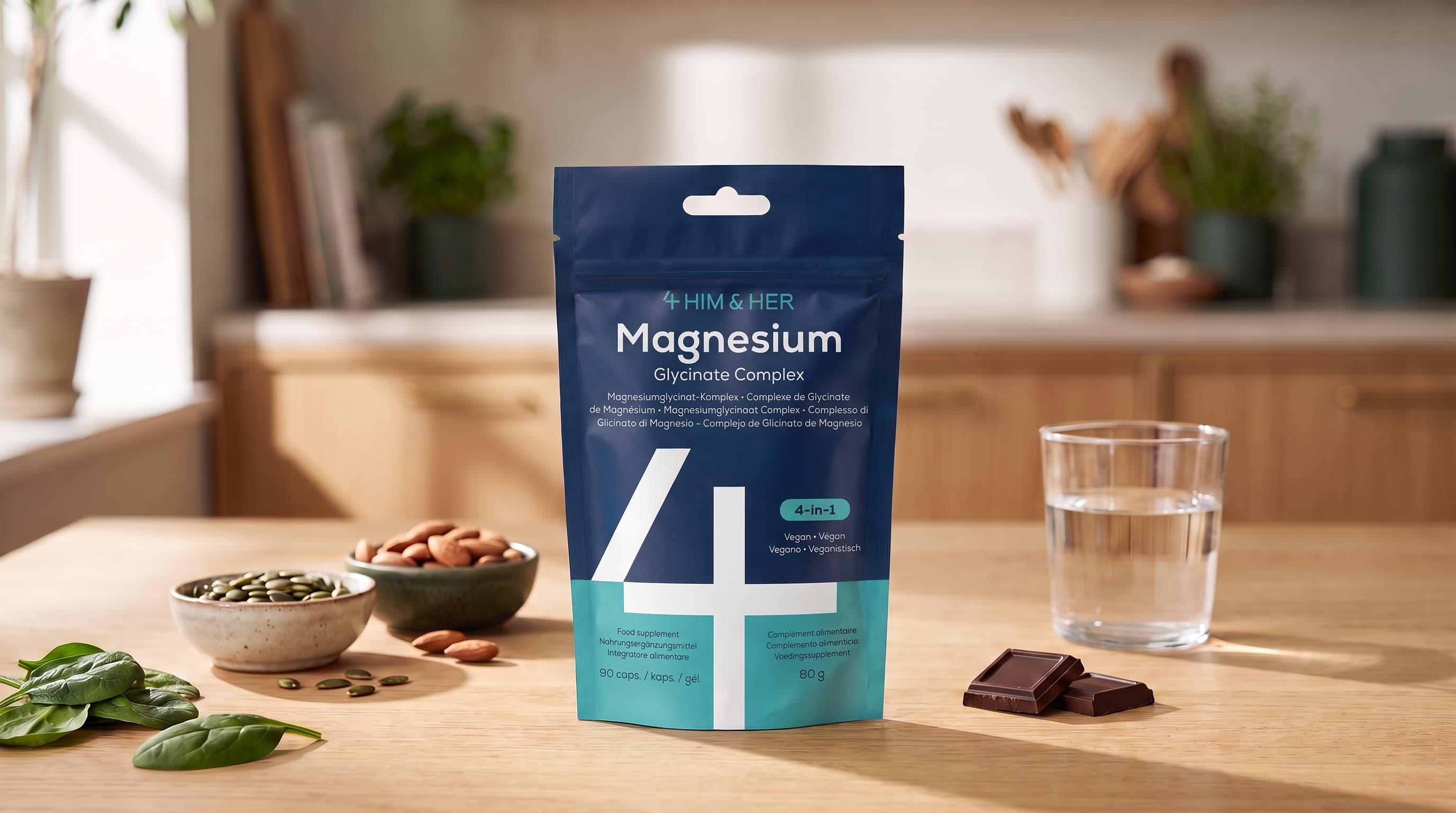
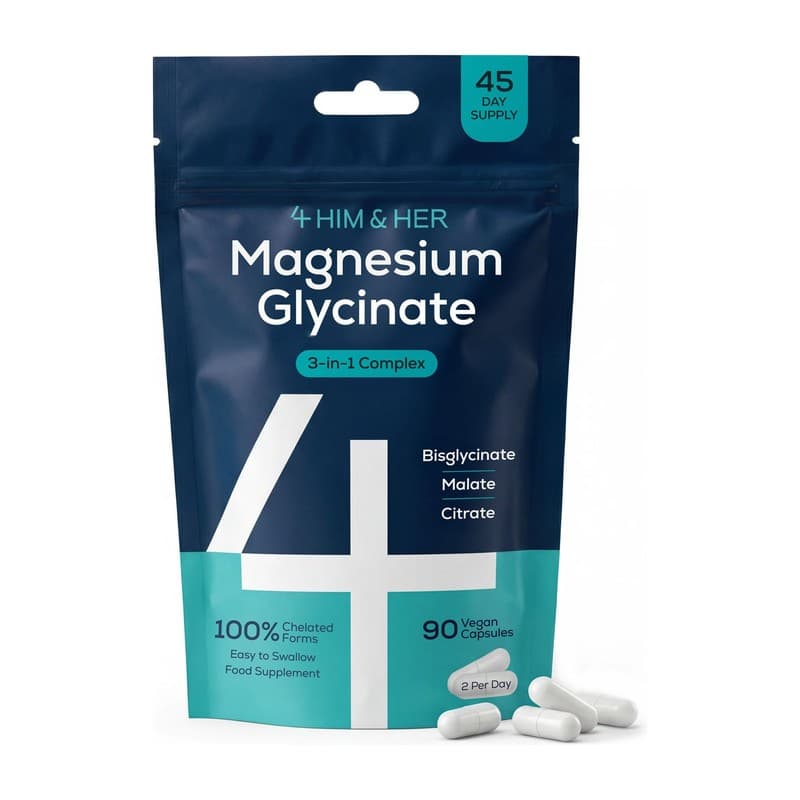
It varies widely, from under 100 mg to more than 400 mg per daily dose. A daily dose of our magnesium provides 250 mg of magnesium from bisglycinate, citrate and malate – in line with the European upper level for supplements – with 5 mg of vitamin B6.
Frequently asked questions
Is 500 mg of magnesium a day too much?
If it’s 500 mg of magnesium from supplements, yes – that’s above both the NHS guidance of 400 mg and the European upper level of 250 mg, and it makes diarrhoea more likely. If it’s 500 mg of magnesium glycinate, that contains only around 70 mg of magnesium. Don’t go over 250 mg of magnesium a day from supplements unless your GP advises it.
How much magnesium does a woman need per day?
The NHS says women aged 19 to 64 need 270 mg a day, and the UK figure is the same for older women. It doesn’t rise in pregnancy, but is a little higher while breastfeeding.
How much magnesium do children need?
Between 85 mg and 300 mg a day depending on age – see the table above. Children normally get enough from food, and adult supplements aren’t intended for them.
Is 400 mg of magnesium safe?
The NHS says 400 mg or less a day from supplements is unlikely to cause harm. The European Food Safety Authority sets a lower upper level of 250 mg a day, which is the figure we recommend staying within.
Can I take magnesium with my other vitamins?
Usually, yes. Magnesium is often combined with zinc, calcium, vitamin D and vitamin B6. If you take several supplements, add up the magnesium in all of them so you don’t go over the limit.
Sources
- NHS – Vitamins and minerals: Others (magnesium)
- Public Health England – Government Dietary Recommendations (2016)
- British Nutrition Foundation – Nutrient requirements
- British Nutrition Foundation – Vitamins and minerals
- GOV.UK – National Diet and Nutrition Survey
- EFSA – Tolerable Upper Intake Levels for vitamins and minerals (2006)