GB
GB Germany
 France
 Spain
Spain Italy
Italy Netherlands
 Norway
 Sweden
 Denmark
 Finland
 Portugal
Vitamin B6: what it does, how much you need and safe limits
What vitamin B6 does, how much you need a day, the best food sources, pyridoxine vs P-5-P, and why the UK advises no more than 10 mg a day from supplements.

Vitamin B6 contributes to normal energy-yielding metabolism, normal red blood cell formation and the normal function of the immune system. Adults need about 1.4 mg a day (men) or 1.2 mg (women), which most people get from food. The NHS advises no more than 10 mg a day from supplements, as very high doses can damage nerves.
What is vitamin B6?
Vitamin B6 is a water-soluble vitamin – one of the eight B vitamins. It’s actually a family of related compounds, including pyridoxine, pyridoxal and pyridoxamine, which the body converts into its active form, pyridoxal-5′-phosphate (P-5-P). In that form it helps many enzymes do their work, mostly in the handling of protein and amino acids.
Your body can’t make vitamin B6 and stores only small amounts, so you need a regular supply from food.
What is vitamin B6 good for?
These are the authorised health claims for vitamin B6 on the Great Britain nutrition and health claims register. Vitamin B6 contributes to:
- normal cysteine synthesis
- normal energy-yielding metabolism
- normal functioning of the nervous system
- normal homocysteine metabolism
- normal protein and glycogen metabolism
- normal psychological function
- normal red blood cell formation
- the normal function of the immune system
- the reduction of tiredness and fatigue
- the regulation of hormonal activity
These describe what B6 does as part of a normal diet. They don’t mean that taking more than you need brings extra benefits.
How much vitamin B6 do you need per day?
| Amount | |
|---|---|
| Men aged 19–64 (NHS) | About 1.4 mg a day |
| Women aged 19–64 (NHS) | About 1.2 mg a day |
| Nutrient reference value (NRV) used on labels | 1.4 mg |
| NHS advice for supplements | No more than 10 mg a day unless advised by a doctor |
| European tolerable upper intake level (EFSA, 2023) | 12 mg a day from all sources |
Most people in the UK get enough vitamin B6 from a varied diet, so a supplement isn’t usually necessary.
What foods are high in vitamin B6?
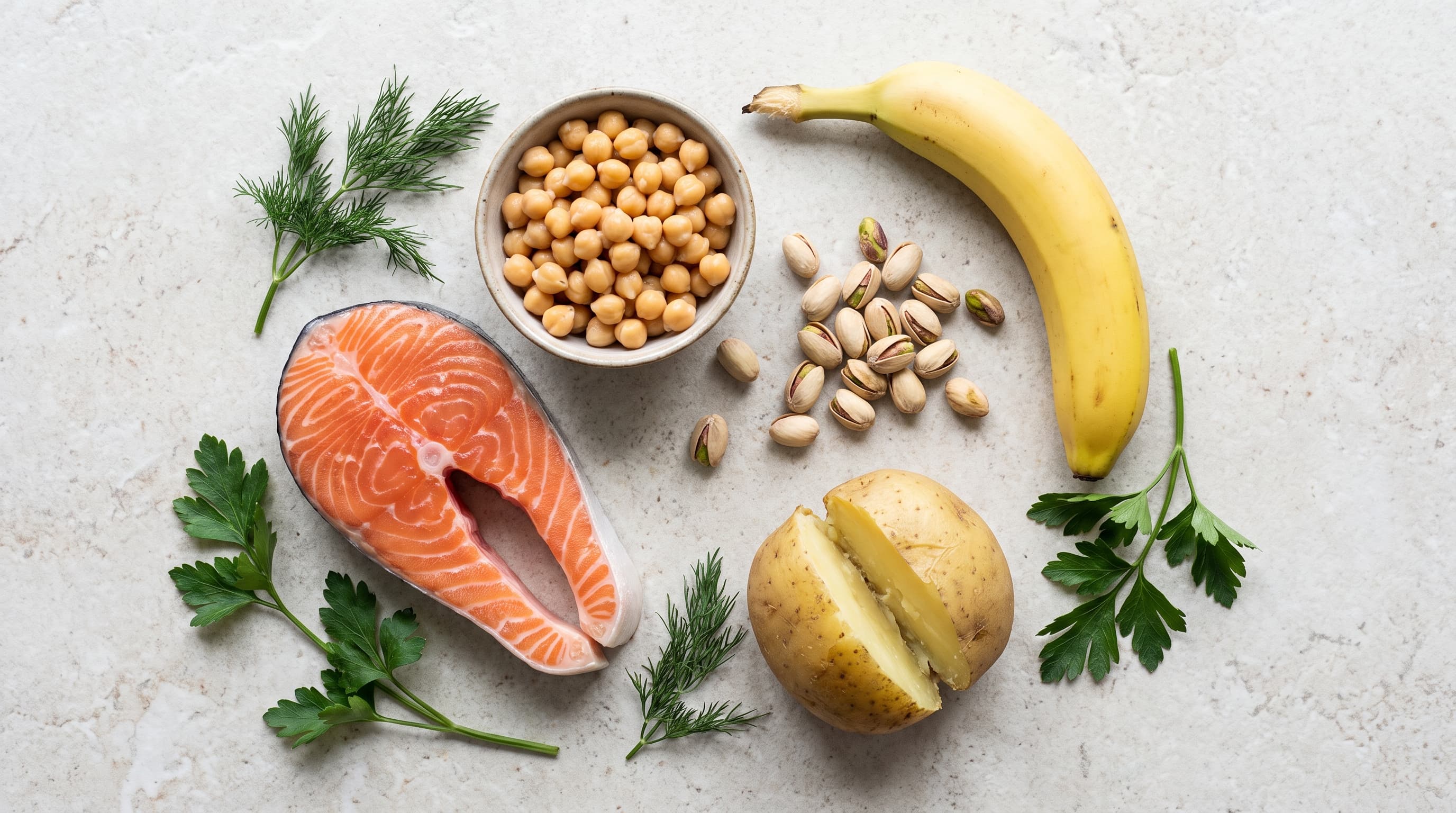
According to the NHS, vitamin B6 is found in a wide variety of foods, including:
- pork
- poultry, such as chicken or turkey
- some fish
- peanuts and soya beans
- wheatgerm and oats
- bananas
- milk
- some fortified breakfast cereals
Because it’s spread across so many foods – both animal and plant – vegetarians and vegans can usually get enough without difficulty.
Who may not get enough vitamin B6?
Deficiency on its own is rare in the UK. It is more likely in people who drink a lot of alcohol, people with kidney disease or conditions that affect absorption, such as coeliac or inflammatory bowel disease, and people taking certain medicines, including isoniazid (for tuberculosis) and some anti-epilepsy drugs. Older adults with a poor diet may also fall short.
Signs can include anaemia, a sore tongue, cracks at the corners of the mouth, confusion and low mood – all of which have other, more common causes. If you’re concerned, speak to your GP rather than self-treating.
Pyridoxine or P-5-P: which form is best?
Most supplements use pyridoxine hydrochloride, a stable and well-studied form that the body converts into P-5-P. Some use pyridoxal-5′-phosphate directly, the active form. Both count as vitamin B6, carry the same authorised claims and are measured the same way on labels.
There’s no strong evidence that P-5-P works better for healthy people, and the safety limits apply to all forms. Both of our products that contain B6 use pyridoxal-5′-phosphate.
Can you take too much vitamin B6?
Yes. Taking high doses of vitamin B6 for a long time can cause peripheral neuropathy – damage to the nerves in the arms and legs that causes tingling, numbness, burning pain or loss of feeling. The NHS says 200 mg or more a day can cause this, and that the effects of doses between 10 mg and 200 mg are unclear. It usually improves once you stop, but in a few cases – particularly after large amounts for more than a few months – the effect can be permanent.
In 2023 the European Food Safety Authority set a lower tolerable upper intake level for adults of 12 mg a day from all sources, including during pregnancy and breastfeeding, with lower limits for children.
How do you add up vitamin B6 from several supplements?
B6 turns up in many products – multivitamins, B-complexes, magnesium, “energy” and sports supplements and some menopause and PMS products – so it’s easy to double up without realising. Check each label for the milligrams of B6 per daily dose and add them together. The total from supplements should stay at or below 10 mg a day, in line with NHS advice.
| Product (daily dose) | Vitamin B6 | % NRV |
|---|---|---|
| Ashwagandha KSM-66® 250 mg (1 capsule) | 2 mg | 143% |
| Magnesium (2 capsules) | 5 mg | 357% |
| Both together | 7 mg | 500% |
Taken together, the two provide 7 mg – within the NHS advice of 10 mg a day from supplements, and leaving room for the B6 in your food under the European upper level of 12 mg a day from all sources. If you also take a multivitamin or B-complex, add that in too.
Which of our supplements contain vitamin B6?
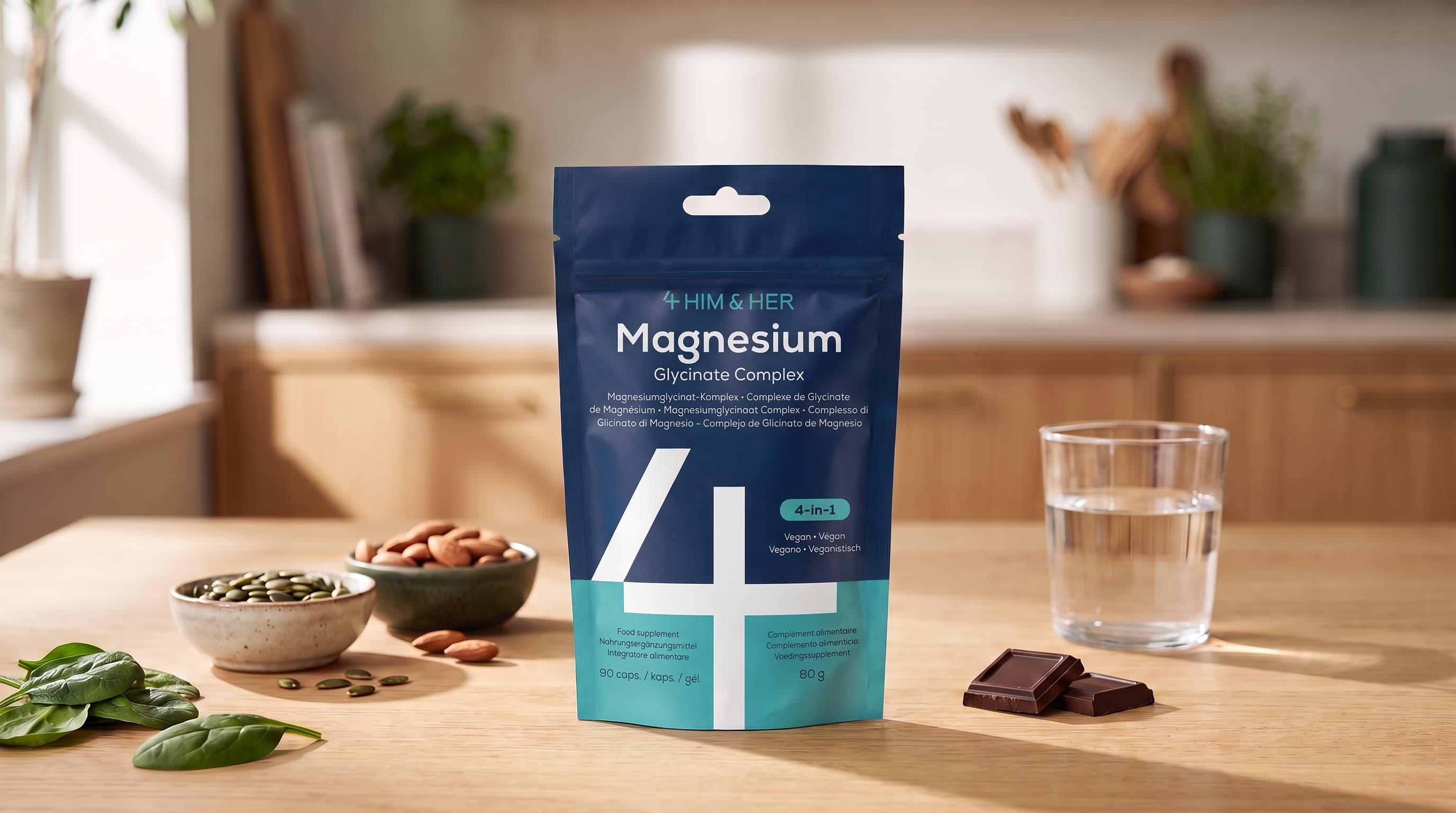
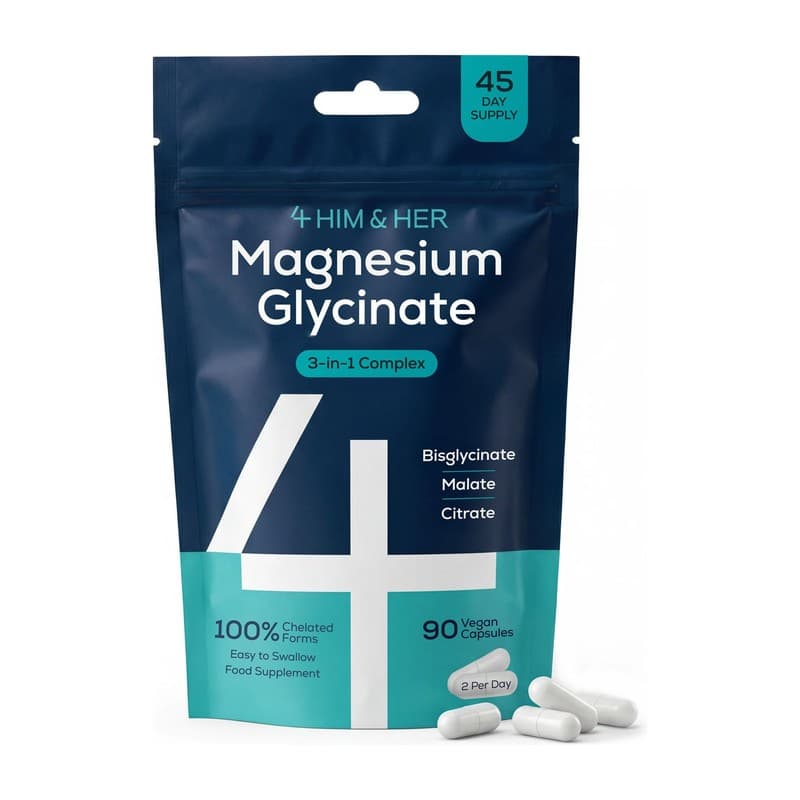
Our magnesium provides 250 mg of magnesium (67% NRV) with 5 mg of vitamin B6 in two vegan capsules. Vitamin B6 contributes to normal psychological function, to normal functioning of the nervous system and to the reduction of tiredness and fatigue.
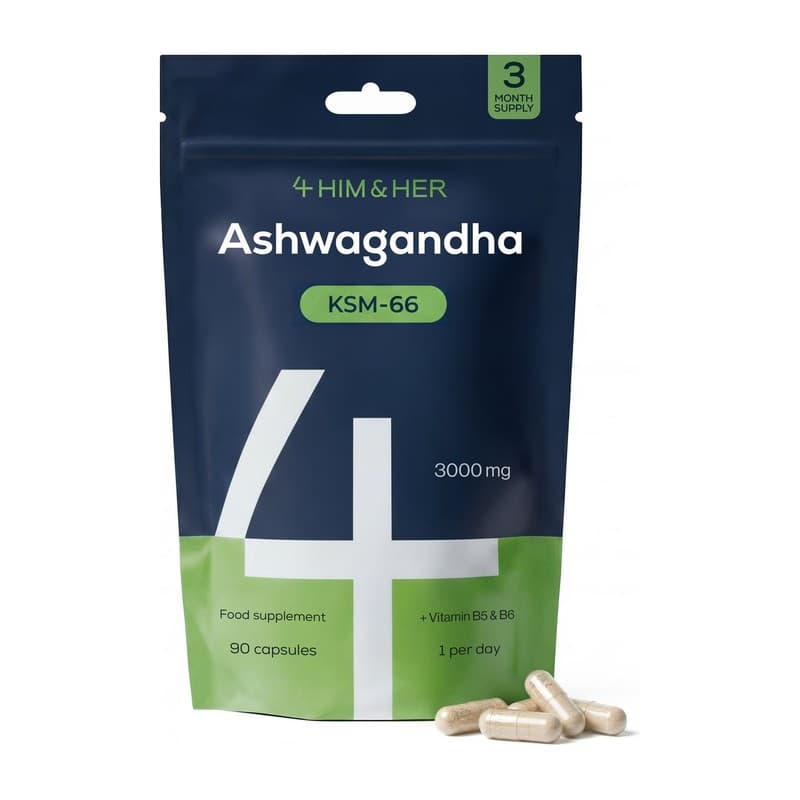
Our ashwagandha contains 2 mg of vitamin B6 and 6 mg of pantothenic acid alongside 250 mg of KSM-66® root extract, in one vegan capsule. Vitamin B6 contributes to normal psychological function and normal energy-yielding metabolism, and pantothenic acid contributes to normal mental performance. Ashwagandha itself has no authorised health claim.
Frequently asked questions
Is it safe to take vitamin B6 every day?
Yes, at sensible amounts. Getting B6 from food every day is normal, and supplements of up to 10 mg a day are in line with NHS advice. Long-term use of higher doses can damage nerves.
Is vitamin B6 good for PMS?
Vitamin B6 is often taken for PMS, but there is no authorised health claim for PMS, and research results are mixed. Don’t take high doses; if PMS affects your life, speak to your GP.
Can I take vitamin B6 in pregnancy?
Most pregnant women get enough from food. Pregnancy multivitamins usually contain a small amount. Don’t take high-dose B6 for morning sickness without talking to your midwife or GP.
What is the difference between vitamin B6 and B12?
They are separate vitamins. B6 is involved mainly in protein metabolism, while B12 is needed for red blood cells and the nervous system and is found almost only in animal foods, so vegans need a B12 source.